

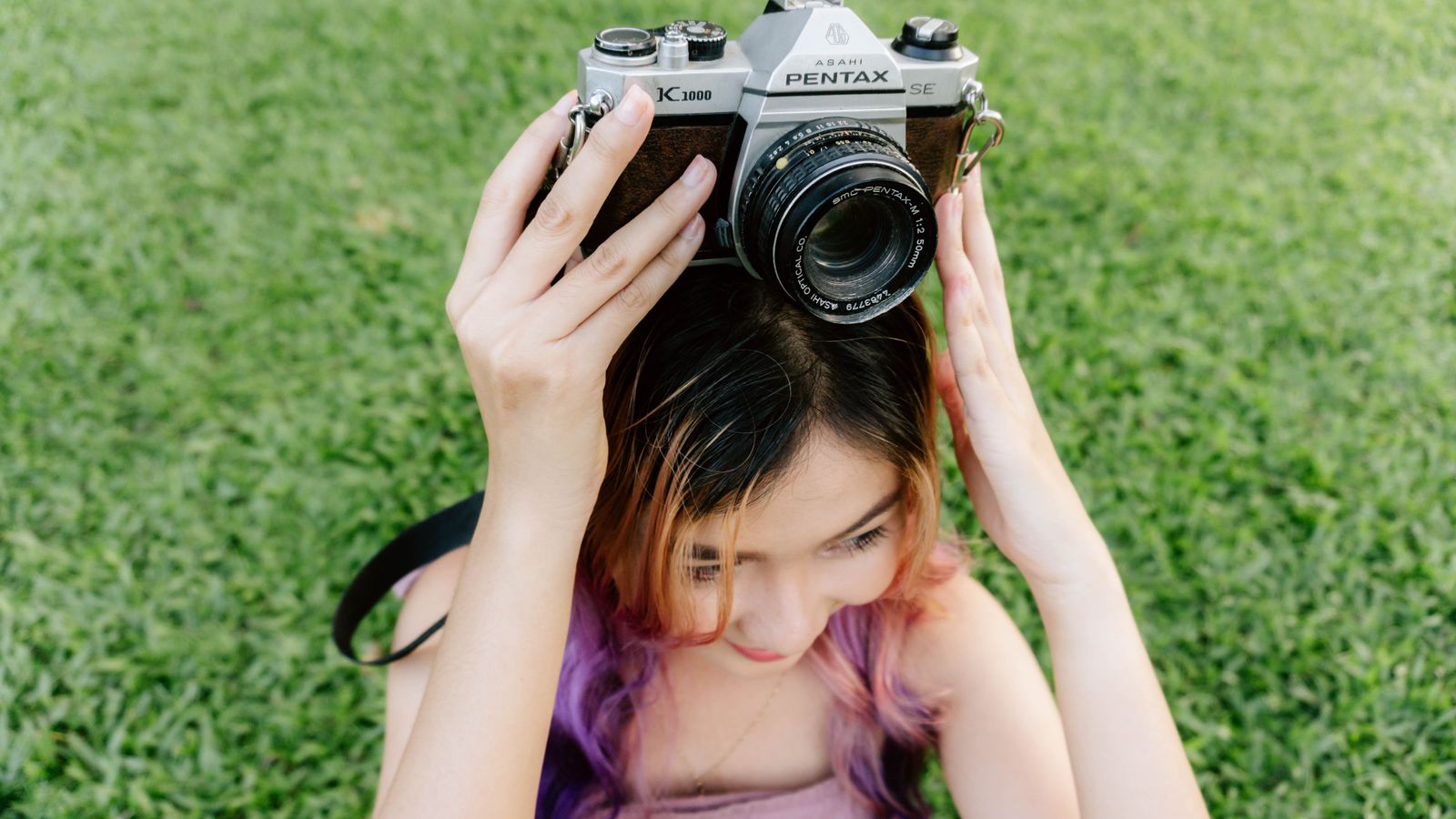
Buying a film camera should be exciting. You are choosing a camera that may already have recorded decades of holidays, street scenes and family life. That history is part of the appeal, but it also means condition matters more than the badge on the front.
Two examples of the same model can be completely different purchases. One may be ready for years of use; the other may need light seals, shutter servicing or electronic repairs before it can expose a roll reliably. This guide explains what to inspect and how to assess a camera, listing and seller when shopping on eBay.
Choose the right kind of film camera
Begin with the photographs you want to make, not simply the model that is fashionable.
- 35mm SLR: a flexible choice for learning focus and exposure, with interchangeable lenses and a view through the taking lens.
- Compact or point-and-shoot: easy to carry and quick to use, but ageing electronics and small motors can be difficult to repair.
- Rangefinder: compact and quiet. Check that the focusing patch is bright and aligns correctly.
- Medium format: larger negatives and a deliberate process, but fewer frames per roll and higher film, processing and scanning costs.
For many first-time buyers, a working 35mm SLR with a standard 50mm lens is an affordable and practical place to begin.
What to check before buying
1. Inspect the body
Cosmetic marks are not automatically a problem. Worn paint may simply show that a camera was used regularly. Pay closer attention to dents around the prism or rewind crank, an uneven back, impact marks around the lens mount, missing screws, corrosion and signs of moisture. A clean exterior does not guarantee that the internal mechanisms work.
2. Check the battery compartment
Open the compartment and look for white, green or blue deposits. Light surface residue may be cleanable, but heavy corrosion can travel into wiring and contacts. Confirm the exact battery type before buying. Some older meters were designed for discontinued mercury cells, and alternative batteries may affect meter accuracy.
3. Test several shutter speeds
With no film loaded, open the camera back and test a slow, medium and fast speed. The difference should be obvious. A one-second exposure should remain open for about one second, while the fastest speed should sound like a crisp snap.
Watch the shutter through the open back. Curtains or blades should open and close cleanly without sticking. This simple test cannot confirm perfect calibration, but it can reveal a shutter that is plainly stuck or using the same speed at every setting.
4. Test the film advance, rewind and frame counter
Operate the advance lever and fire the shutter several times. The movement should be smooth, the mechanism should lock at the end of each stroke, and the take-up spool should turn. Test the rewind release and crank, then open the back to make sure the frame counter resets.
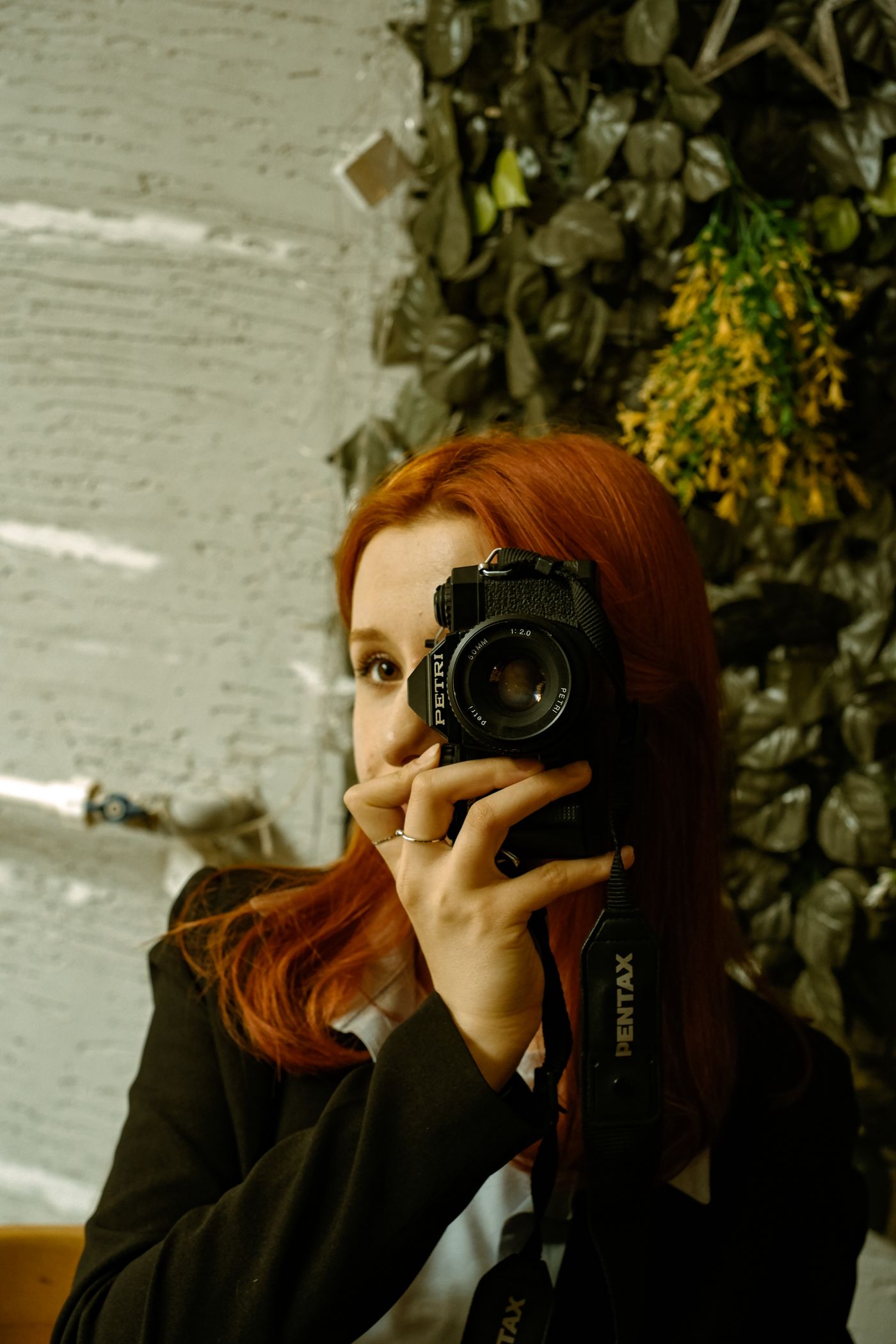
5. Inspect the light seals
Foam around the film door prevents stray light from fogging the film. Old foam often becomes sticky, turns to dust or flattens. On an SLR, inspect the bumper above the mirror as well. Deteriorated foam is common and usually replaceable, but allow for the cost and do not trust an important roll until the seals have been replaced and tested.
6. Inspect the lens in strong light
Remove both caps and shine a torch through the lens from different angles. A small amount of dust is normal. More serious concerns include branching fungus, heavy haze, deep scratches, separation that resembles rainbow-edged patches, or oil on the aperture blades.
Turn the focus ring through its full range. It should move evenly without binding or excessive play. Operate the aperture mechanism; the blades should move quickly and cleanly.
7. Test the meter, finder and focus
Install the correct battery and point the camera between bright and dark areas. The meter should respond. If possible, compare it with a known-good camera or light meter. A few finder specks will not affect the photograph, but heavy haze, fungus or prism damage can make focusing difficult.
8. Ask for proof, not adjectives
Descriptions such as “mint”, “near mint” and “excellent+++++” are not standard technical grades. Read the detailed description and inspect every photograph. Ask for close-ups of the battery compartment, film chamber, shutter, lens glass and serial number, plus a short video showing the actual camera operating.
Treat “untested” as not demonstrated to work. Price it as a potential repair risk.
Why consider buying through eBay?
eBay brings together private sellers, collectors and specialist dealers from around the world. It can make it easier to compare several examples of the same model, find unusual lenses or accessories and review recent selling prices.
- Selection: compare models, finishes, lenses and accessories.
- Specialist sellers: established camera dealers may provide more useful testing details and photographs.
- Seller history: feedback, completed sales and return terms provide evidence before you pay.
- Buyer protection: eligible purchases may be covered when an item does not arrive or does not match its description.
The key is to assess the seller as carefully as the camera.
How to assess an eBay listing
Read the complete description
A headline grade may sound reassuring while the detailed description mentions haze, fungus or a faulty meter. The written details and photographs matter more than the headline.
Check camera-specific feedback
Read recent neutral and negative feedback, particularly comments about cameras, lenses, inaccurate descriptions, packaging and returns. A high score based mainly on unrelated low-cost products is less useful than a long history of selling photographic equipment.
Confirm that the photographs show the actual item
Match the serial number and visible marks in the photographs with any demonstration video. If several sellers appear to use the same images, ask whether the seller physically holds the camera and whether it is still available.
Ask what “working” includes
- Have all shutter speeds been tested?
- Is the meter accurate, and which battery was used?
- Has the camera been film-tested or only dry-fired?
- Is there fungus, haze, separation or oil in the lens?
- Do the frame counter, rewind, self-timer and flash functions work?
- Has the camera been serviced? If so, when and what was done?
Calculate the complete cost
Compare the item price, postage, GST, possible import processing, insurance and the cost of an international return. Australian buyers should remember that second-hand imported goods may be subject to GST. For higher-value imports, additional declarations, duties, taxes and charges may apply.
Choose tracked delivery for an international purchase and keep the packaging until the camera passes its first test roll.
Read the return policy before paying
Check the return window, who pays return postage and whether the listing is eligible for eBay protection. Keep messages and payment within eBay. If the camera is materially different from its description, document the problem promptly with clear photographs or video.
Shoot a test roll before an important event
Even a careful inspection cannot reveal every fault. Before a holiday, wedding or other irreplaceable occasion, shoot a test roll in varied conditions:
- bright sun and shade;
- slow and fast shutter speeds;
- wide and small apertures;
- close, middle and distant focus;
- an evenly lit wall or sky that may reveal light leaks.
Write down the settings for each frame. Once the film is processed, it will be easier to distinguish camera faults from exposure or focusing mistakes.
Final advice
Buy the best-documented example you can afford, not simply the cheapest version of a famous model. A tested camera from a knowledgeable seller can be better value than a bargain that immediately needs servicing.
Need help checking a camera, replacing light seals, processing a test roll or scanning your negatives? Visit Pixels Plus, 45 Willoughby Road, Crows Nest NSW 2065.
Save this guide before your next camera search and share it with someone shopping for their first film camera.
Photography: Happy Pixels, Beyzaa Yurtkuran and Zahra Talebizadeh via Pexels. Used under the Pexels licence.